
California Aviation Alliance
We are delighted to announce that on February 6 2023 travel-easier.com acquired californiaaviation.org which was the domain for the California Aviation Alliance as part of our strategy to become a leading air travel brand.
We hope to continue to offer a great guide to airport security and other aviation matters for readers.
About California Aviation Alliance
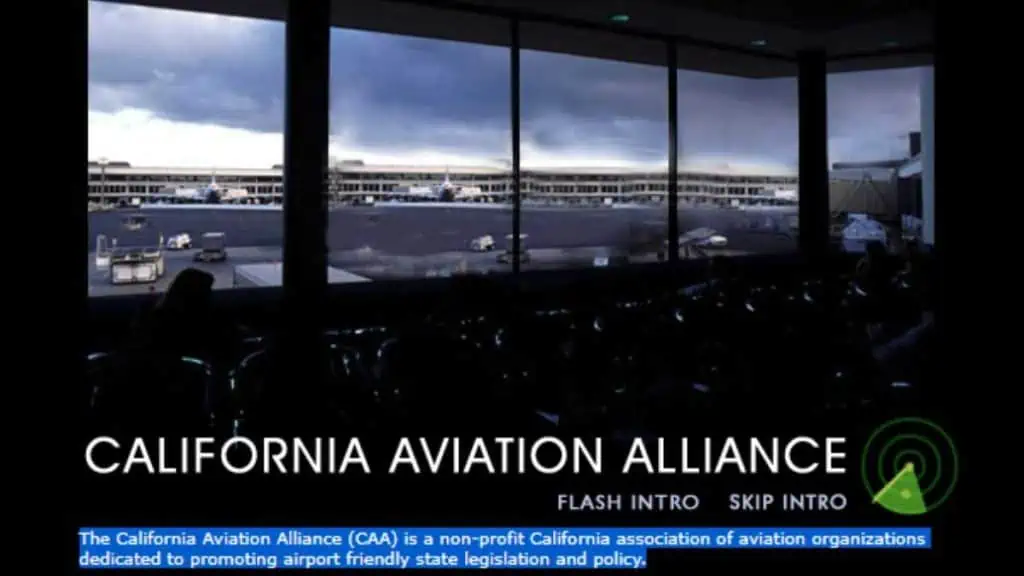
California Aviation Alliance (CAA) was a non-profit organization based in California that was dedicated to promoting and supporting the state’s aviation industry. CAA was founded with the aim of providing a unified voice for the aviation community in California, and to create a platform for stakeholders to collaborate and address challenges facing the industry.
Its mission statement was “To Develop, Enhance and Protect Aviation Interests in California. Representing California aviation interests through mutual support, shared resources and information.”
The organization’s membership included airlines, airports, aircraft manufacturers, maintenance, repair and overhaul (MRO) companies, and other organizations and individuals with a vested interest in the aviation industry. CAA worked with these members to promote the benefits of aviation, including its positive impact on the economy and the essential role it plays in connecting people, goods and services.
One of the key initiatives of the CAA was to advocate for policies and regulations that support the growth and development of the aviation industry in California. This included working with local, state and federal government agencies to ensure that the needs and interests of the industry are taken into consideration when making decisions that impact the sector. CAA also worked to promote the development of infrastructure, such as airports, to support the growth of the industry.
In addition to advocacy, CAA also provided educational opportunities for its members and the wider public. This includes hosting conferences, seminars, and workshops that provide information on current trends and best practices in the aviation industry. These events provided a platform for industry leaders to share their knowledge and experiences, and to network with other professionals in the field.
The CAA also promoted the aviation industry as a source of employment and career opportunities. The organization worked with schools, colleges, and universities to provide information and resources to students who were interested in pursuing careers in aviation. CAA also partnered with organizations to offer job placement services and training programs to help individuals enter the industry.
Their headquarters were located at:
1829 Quail Meadows Cir
Vacaville
California, 95687
More information can be found here – California Aviation Alliance
About travel-easier.com
I started Travel Easier as an easy guide to understanding the often complex and confusing TSA airport security rules which can be quite daunting, particularly for new flyers.
It has grown into a site that covers all aspects of air travel.
Our most popular posts include advice on taking aerosols on a plane and will aerosols explode on a plane if you do take them. Also advice on taking an electric toothbrush in carry on and also whether you can take candles on a plane.
Please check out our other useful air travel and airport security information on travel-easier.com. Also Does Arizona have two time zones?

I have been traveling around the world by air since the early 70s and living overseas too. I worked for British Airways for a number of years and I am also a private pilot. About Me